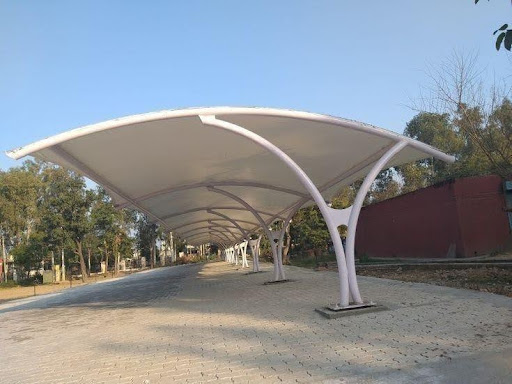
The evolution of construction and manufacturing would not have been possible without the advancement of steel fabrication. This critical process transforms raw steel into functional structures and components that support buildings, bridges, machinery, and more. The precision, strength, and versatility that this process offers are unmatched, making it an essential service in countless industries. Whether it’s for architectural frameworks or intricate machine parts, it provides the customized solutions that modern projects demand.
One of the most impressive aspects of steel fabrication is its ability to shape, cut, and assemble steel into highly durable and intricate forms that meet specific project requirements. It is this flexibility that has enabled engineers and designers to push the boundaries of what’s possible, from towering skyscrapers to detailed industrial equipment.
The Craftsmanship Behind the Process
The journey from raw material to finished product is a complex one, requiring skill, advanced machinery, and a deep understanding of engineering principles. Cutting, bending, and assembling are the three core stages. Each step demands meticulous attention to detail to ensure that the final output aligns with both the design and the intended function. Cutting is usually performed with tools like lasers, plasma cutters, or water jets, which allow for extreme accuracy. Bending, whether by manual or automated processes, shapes the steel into the desired angles. Finally, assembly brings the pieces together through welding, riveting, or bolting, ensuring that each joint holds firm under pressure. What truly sets apart high-quality steel fabrication services is the ability to maintain tight tolerances and deliver components that fit perfectly, even in complex assemblies. Mistakes in this process can lead to costly rework or, worse, structural failures. This is why working with experienced fabricators is crucial to achieving both safety and efficiency.
Key Highlights:
- Provides customized, project-specific steel structures and components.
- Supports the construction of resilient, long-lasting buildings and infrastructure.
- Essential in the automotive, aerospace, construction, and energy sectors.
- Allows for detailed and complex designs with high precision.
- Reduces waste through accurate cutting and efficient use of materials.
- Enhances safety by producing components that meet strict industry standards.
Steel fabrication plays a pivotal role in multiple industries that impact our daily lives. In transportation, it contributes to the frames and bodies of vehicles, including buses, trains, and ships. In energy, it’s responsible for the frameworks of power plants, wind turbines, and oil rigs. The process is also key in manufacturing industrial machinery, storage tanks, and custom equipment. From the sweeping curves of a modern facade to the fine detailing in interior structures, this process allows for creative freedom while maintaining structural integrity. Additionally, its resistance to fire, pests, and weathering makes it an ideal choice for a wide variety of environments.
Material Selection and Design Precision
Various grades and finishes are available; each suited for specific applications and environments. Structural steel, stainless steel, and carbon steel are among the most commonly used, each offering different levels of strength, flexibility, and corrosion resistance. Engineers work closely with designers to select materials that not only meet strength requirements but also support the visual and functional goals of the project. The design phase involves precise calculations and the use of specialized software to model each component before fabrication begins. This level of precision minimizes errors and maximizes efficiency. With steel fabrication, every cut, angle, and joint is carefully planned. The ability to achieve tight tolerances ensures that all parts align perfectly during installation, which saves time on-site and reduces the likelihood of costly adjustments.

Safety and Quality Assurance
In any fabrication process, safety and quality are top priorities. Strict guidelines and standards govern every step to ensure that the final products can withstand the stresses they will face in real-world applications. Quality control measures include dimensional inspections, material tests, and load-bearing evaluations. Welds must be checked for integrity, and surface finishes are carefully assessed to guarantee corrosion resistance where necessary. Choosing a reliable partner for steel fabrication means entrusting your project to professionals who understand the importance of these safety standards. Despite the availability of alternative materials, steel continues to dominate because of its exceptional balance of strength, weight, and adaptability. Its recyclability also makes it an environmentally conscious option, as scrap steel can be reprocessed without losing quality.
Moreover, the cost-effectiveness of steel fabrication makes it a preferred solution for many businesses. With proper design and fabrication, steel structures can offer a lifespan that spans several decades, minimizing the need for replacements and reducing overall maintenance costs.
Conclusion
From the tallest skyscrapers to the smallest machine parts, steel fabrication is the foundation of strength and precision in virtually every industry. Its ability to combine durability, versatility, and cost-efficiency makes it a cornerstone of modern engineering and construction. By continuously adopting new technologies and maintaining rigorous quality standards, this process will remain essential in driving progress for years to come.
Beyond its structural benefits, the aesthetic possibilities offered by it are equally impressive. Architects and designers can create bold, futuristic structures without compromising on safety or longevity. Additionally, the ability to customize complex designs has made it a preferred solution across specialized sectors, including energy, transport, and aerospace.